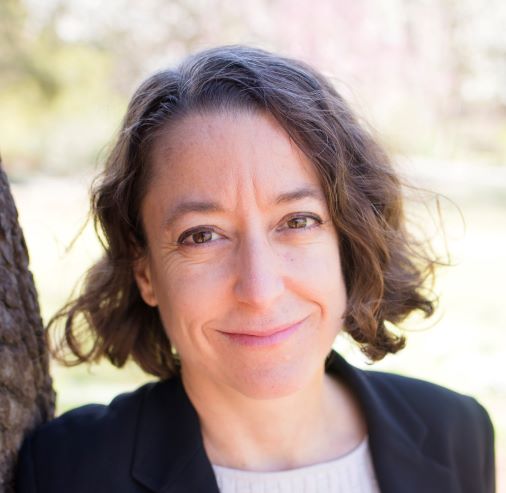
 Patricia L. Sullivan is an associate professor in the Department of Public Policy and the Curriculum in Peace, War, and Defense at the University of North Carolina at Chapel Hill and Director of the Triangle Institute for Security Studies. She received her Ph.D. in political science from the University of California, Davis in 2004 with a concentration in international relations, comparative politics, and research methodology. She teaches courses in foreign policy, international conflict, national security policy, and research design.
Dr. Sullivan’s research explores the utility of military force as a policy instrument; the effects of foreign military aid and assistance provided to both state and nonstate actors; and factors that affect leaders’ decisions to initiate, escalate, or terminate foreign military operations. Her research has been funded by an Andrew Carnegie Fellowship from the Carnegie Corporation, the National Science Foundation, the Smith Richardson Foundation, the Institute on Global Conflict and Cooperation, and the Office of Naval Research. Her book, Who Wins? Predicting Strategic Success and Failure in Armed Conflict, was published by Oxford University Press in 2012.
For more information about Dr. Sullivan’s research, please see her curriculum vitae.